
Trans Lives Behind the Headlines
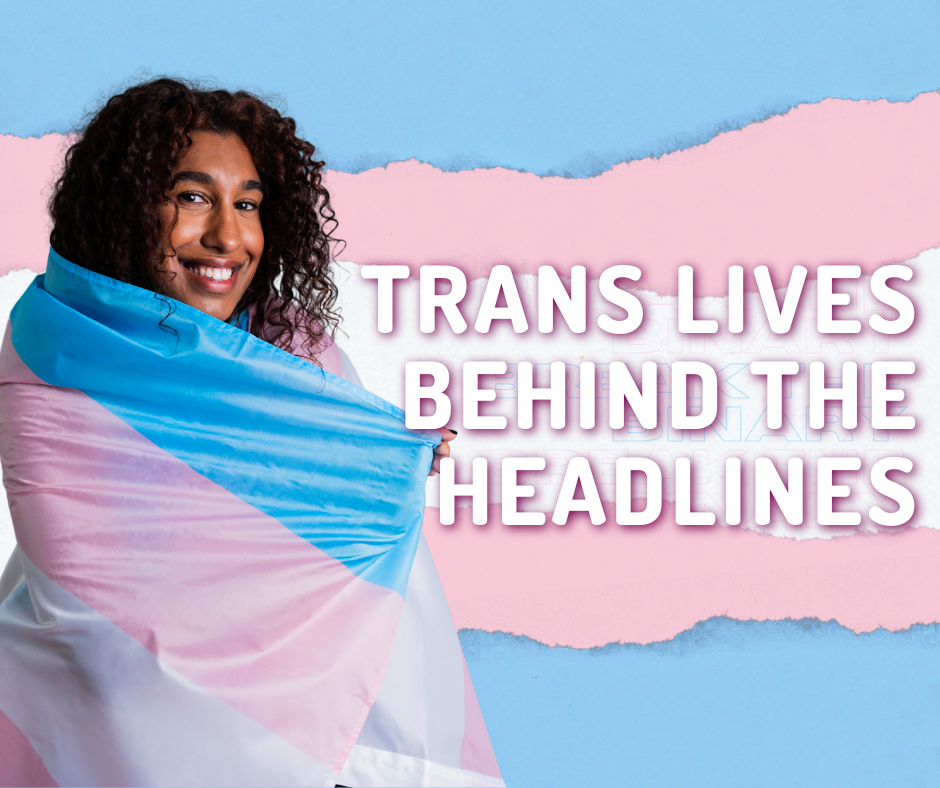
Pride Month is supposed to be a celebration. For many transgender people, however, it arrives against a backdrop of court cases, political campaigns, policy debates, and media coverage that treat their lives as a public controversy. There is something profoundly strange about watching strangers argue over your healthcare, your identity, your family, or your future while insisting they are having an abstract debate about ideas.
That is why I struggle when people describe trans rights as a niche issue or a culture war distraction. What is being debated is not simply policy. It is whether governments should have the authority to override the decisions of individuals, families, and medical professionals when it comes to deeply personal questions of identity and care. The people most affected by these decisions are rarely the people driving the conversation. It is trans youth, trans women of colour, and trans people living with poverty or other forms of marginalization who bear the worst consequences.
Pride also reminds us that legal protections and lived reality are not the same thing. A right on paper does not guarantee safety, dignity, or belonging. Many trans people continue to navigate discrimination, isolation, harassment, and fear long after politicians and journalists have moved on to the next story. The gap between being legally recognized and genuinely welcomed remains far larger than many people realize.
For those of us who are not trans, solidarity begins with refusing to let trans people become abstractions. Every headline is about someone’s child, sibling, friend, neighbour, partner, or community member. Every policy debate touches real lives. Pride calls us to remember that what is at stake is not an argument but people, and despite everything, trans people continue to create, lead, love, build community, and imagine better futures. Those lives are worth defending, and they are worth celebrating.