
Marriage Equality & Beyond
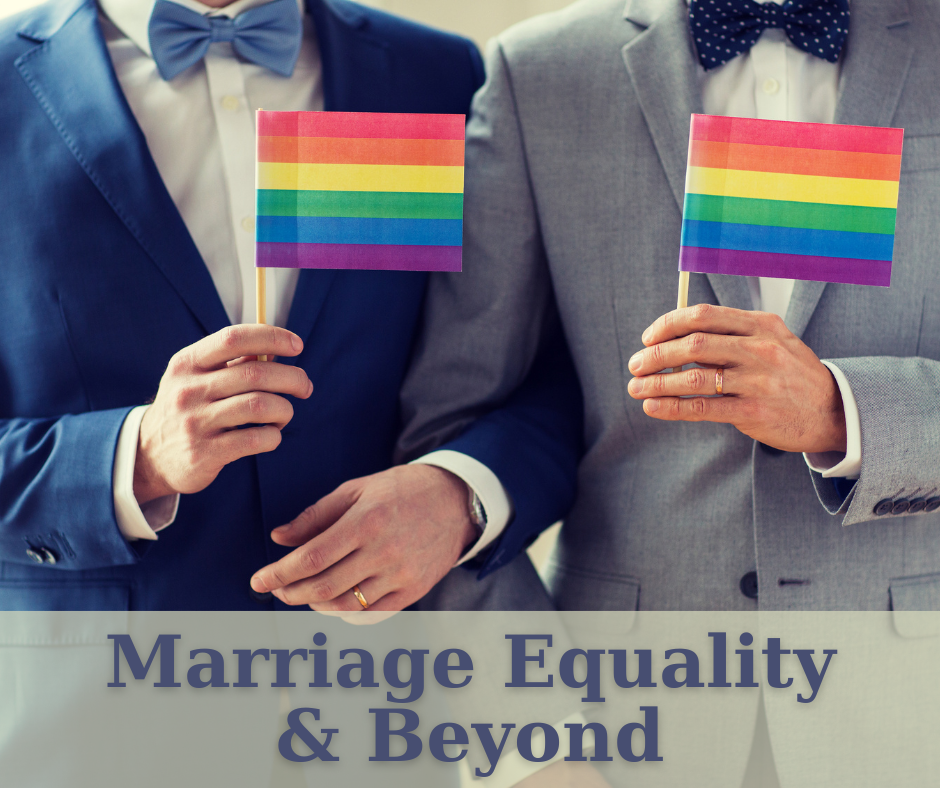
Marriage equality matters. For countless couples, legal recognition meant dignity, protection, and the simple affirmation that their relationships were worthy of the same respect afforded to others. In Canada, that recognition came in 2005. In the United States, it came a decade later. For many people, those victories arrived after years of rejection, activism, court battles, and loss. They deserve to be celebrated.
At the same time, marriage equality was never the whole story of queer liberation. Some of the people most vulnerable within the 2SLGBTQIA+ community remained vulnerable after the laws changed. Trans people continued to face discrimination and violence. Queer people living in poverty still struggled to access housing, healthcare, and security. Many others found themselves largely absent from a conversation that increasingly centered couples, weddings, and legal recognition.
Part of what makes Pride important is that it reminds us of the larger questions. Marriage equality challenged the exclusion of same-sex couples from a significant social institution. It did not challenge the assumption that romantic partnership is the most important form of human relationship. It did not ask what place our society makes for single people, asexual people, polyamorous people, aromantic people, chosen families, or communities built around friendship and mutual care. Those questions remain.
We can and should celebrate marriage equality. But I also believe queer communities have always had something deeper to teach the wider world. Long before legal recognition arrived, people were building chosen families, creating networks of care, and imagining forms of belonging that extended beyond the couple. Marriage equality answered an important question. It was never meant to be the final one.