
It’s Bisexual Visibility Month
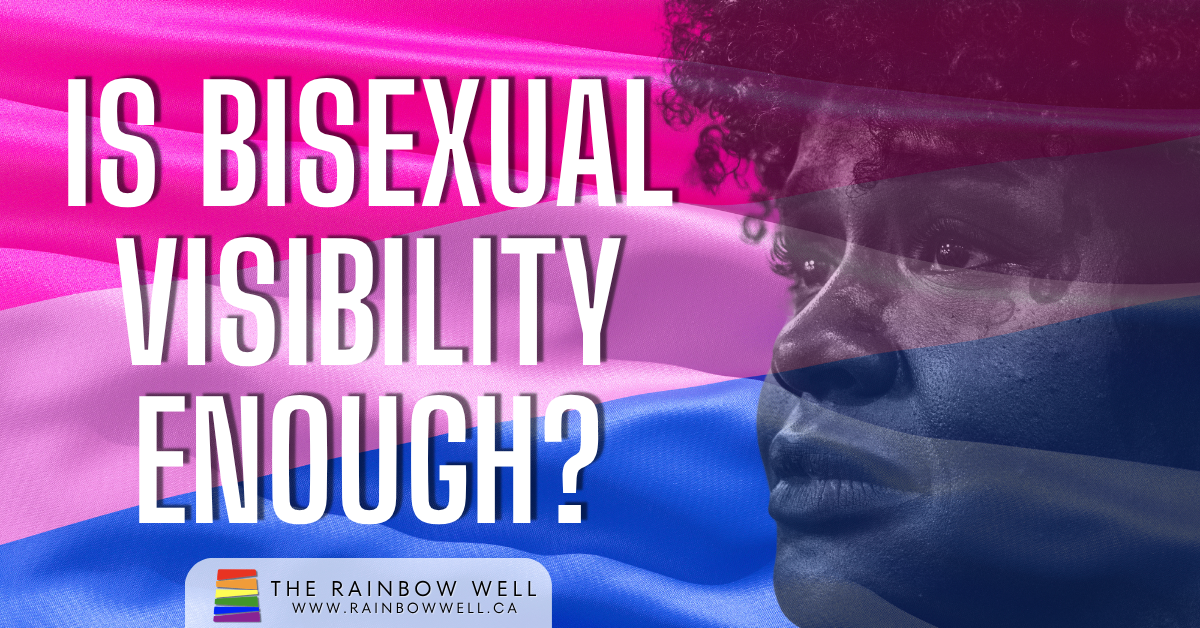
Today is Bisexual Visibility Day. As a bisexual man, I’m glad it exists. We’ve spent a very long time being overlooked, misunderstood, dismissed, or simply written out of the story. We disappear surprisingly easily. If we are with someone of a different gender, people assume we are straight. If we are with someone of the same gender, people assume we are gay. If we are single, some people seem genuinely confused about how we can know we are bisexual at all. So visibility matters. Sometimes seeing someone name themselves openly gives another person permission to finally name themselves too.
But I’m tired of visibility being something we have to fight for. I’m tired of bisexuality still requiring an explanation. I’m tired of the suspicion that we are confused, indecisive, promiscuous, secretly gay, basically straight, looking for attention, or somehow claiming an identity we haven’t sufficiently proven or even suffered enough for. And I’m especially tired of how often that explaining happens in spaces where we should already be able to exhale, including queer communities and affirming churches.
I want more than that for us. I want our experiences taken seriously without forcing them into categories that make more sense to everyone else. I want those of us married to someone of a different gender to be able to speak about queer experience without having our identity quietly questioned. I want those in same-gender relationships to remain bisexual without people treating the word as an unnecessary technicality. I want bisexual Christians to be able to talk about faith, sexuality, love, marriage, singleness, desire, family, and belonging without spending half the conversation establishing that we are real.
So I’ll happily celebrate Bisexual Visibility Day. I’ll say the word bisexual out loud. I’ll keep making space for people who are discovering that the word belongs to them, especially those who spent years believing they had to choose between identities that never quite described their lives. But I want more for us than having to keep proving that we exist. When so much of our energy goes into defending bisexuality, correcting assumptions, and explaining ourselves, there is less room to ask the deeper questions: Who are we? What do our experiences teach us? What do we bring to our relationships, our churches, our communities, and the wider queer community? I want us to have the freedom to explore those questions, to tell the fuller stories of our lives, and to celebrate what is distinctly ours.
Visibility matters. I just don’t want visibility to be where the conversation ends.