
Before The Tragedy, There Were People
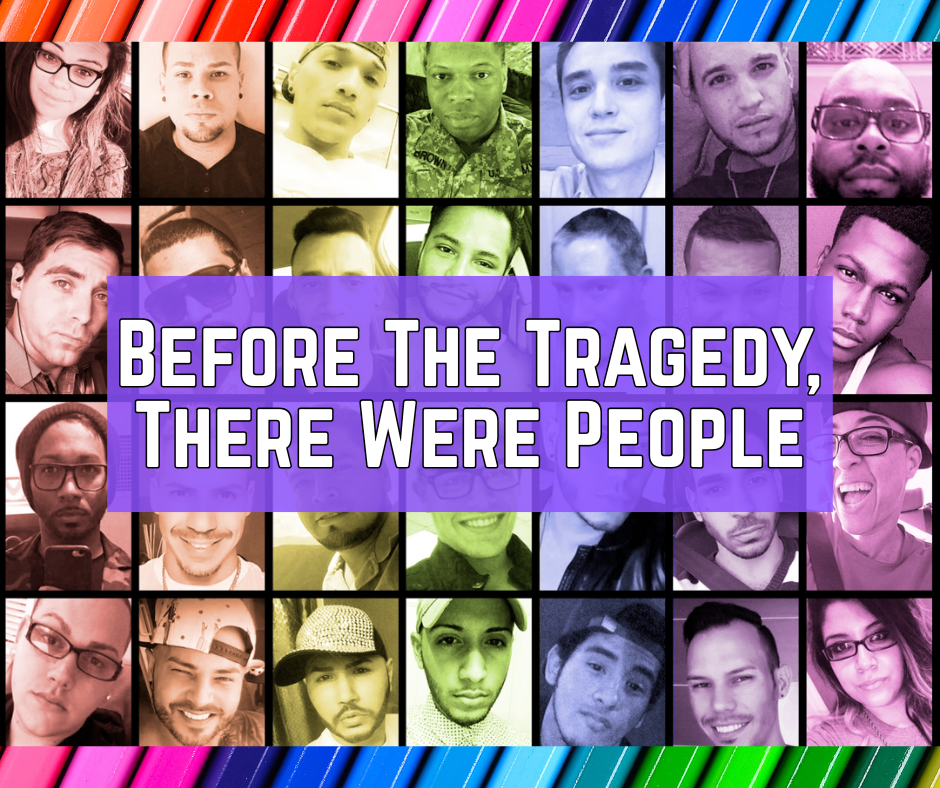
Eddie Justice was 30 years old when he was killed at Pulse on June 12, 2016. During the attack, he texted his mother from inside the club. “Mommy I love you.” Then: “In club they shooting.” Whenever I think about Pulse, I find myself returning to those messages. Before there was a tragedy, there was a son trying to reach his mother.
Ten years later, Pulse is often remembered as an attack on the 2SLGBTQ+ community, and it was. Yet something important can get lost in that telling. Pulse was hosting Latin Night. Most of the people killed were Latinx. Many came from immigrant families. The attack did not happen in a generic queer space. It happened in a specific community, among specific people, with names, families, histories, and dreams of their own.
I sometimes wonder what we mean when we say “never forget.” The phrase appears every year, yet forgetting is not always about memory. Sometimes it happens when we remember only the parts of a story that fit comfortably into the way we already see the world. Pulse was not only a story about violence. It was also a story about queer Latinx lives, friendships, families, and communities. If we lose that specificity, we lose something essential.
A decade later, the names deserve more than an annual moment of silence. They deserve to be remembered as people rather than symbols. Pride is often about visibility, but visibility is not the same thing as being seen. Remembering Pulse means paying attention to who was actually in that room and refusing to let their stories disappear into a version of history that is easier to tell.