
Pride Is Sacred Liberation
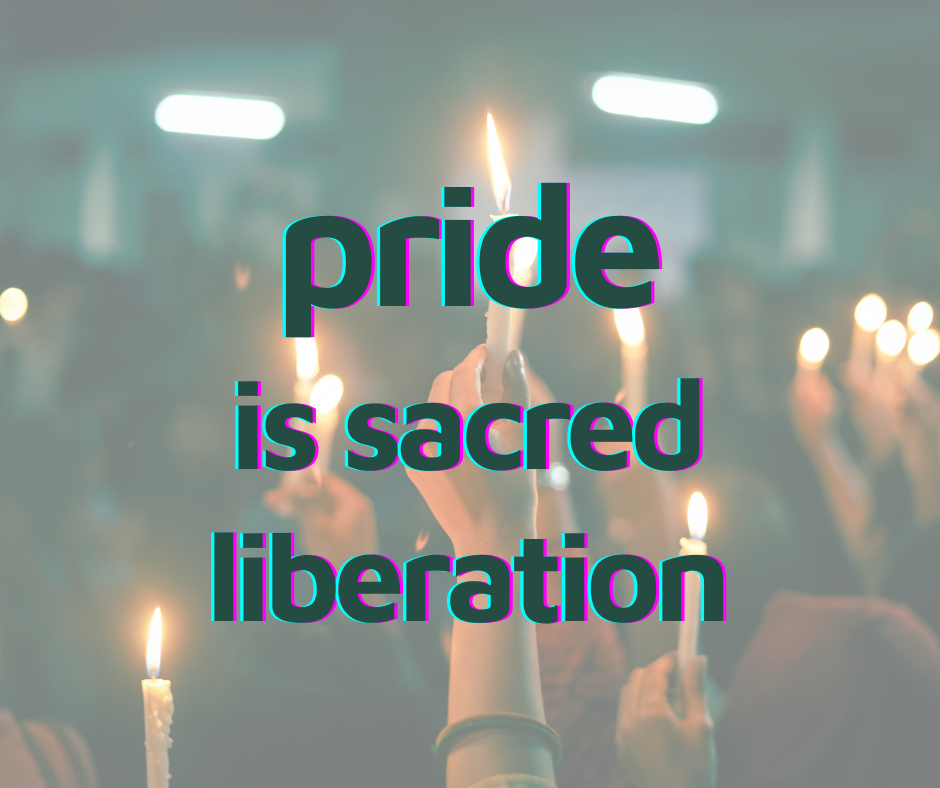
Pride is a deeply spiritual liberative act. It began with people who refused to accept abuse as normal, shame as inevitable, or invisibility as acceptable. In the face of criminalization and exclusion, 2SLGBTQIA+ people gathered anyway—risked arrest, risked being seen, risked telling the truth. That decision to live with courage and solidarity was, and remains, an act of spiritual resistance.
Liberation theology teaches us that God is not found in the protection of the powerful, but in solidarity with the oppressed. It reminds us that salvation is not escape but transformation—of systems, of communities, of relationships. Gustavo Gutiérrez wrote, “The denunciation of injustice implies the rejection of the use of Christianity to legitimize the established order.” That includes the misuse of faith to justify homophobia, transphobia, and the exclusion of queer people from the full life of the church and society. Pride, at its heart, is such a denunciation. It calls for a world remade in the image of justice.
This is why Pride is more than a party. It is a sacred gathering that holds grief and joy together. It is the place where we remember those we’ve lost and fight for those still being targeted. It is how we affirm, again and again, that queer and trans lives are not deviations to be tolerated but revelations to be celebrated. That it is both political and spiritual is no contradiction. It speaks of the sacred worth of every person, fighting to forge a world that honours that truth.
For those formed by Christian faith, Pride offers a clear call: to love without exclusion, to follow Jesus not into comfort but into courage. It invites us to reject any theology that makes peace with injustice and instead choose the path of liberation. That work belongs to all of us. Pride is protest, yes. But it is also praise. It is our collective witness to the holiness of becoming free.