
Pride & Poverty
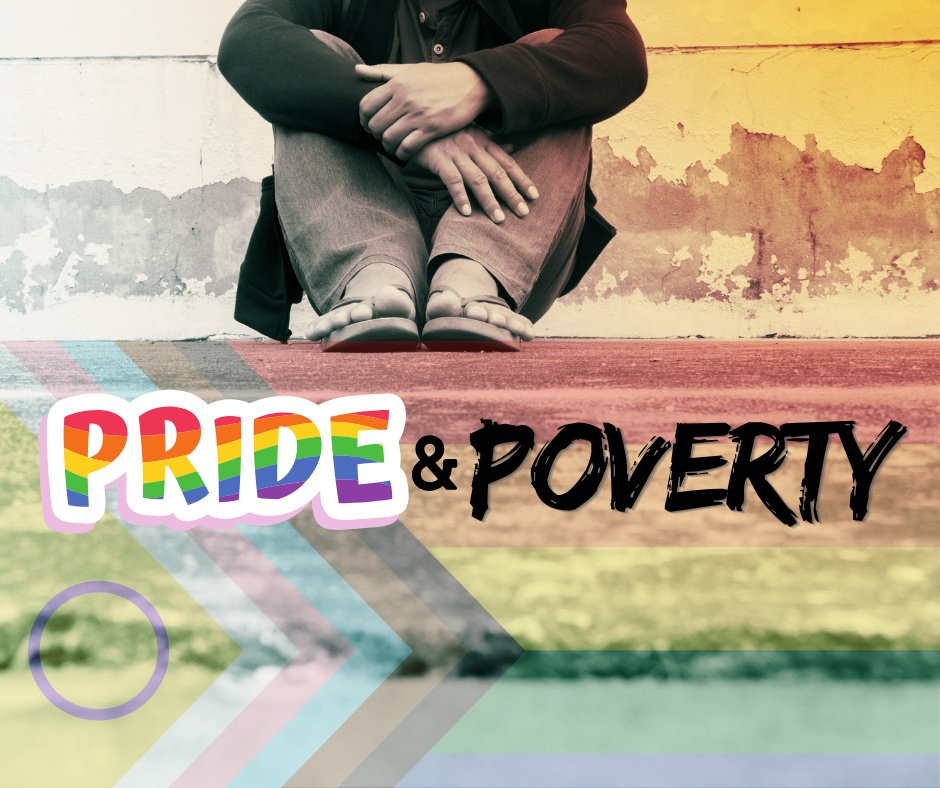
Pride is often associated with visibility. We think about parades, rainbow flags, public celebrations, and hard-won victories. Those things matter. Yet I sometimes wonder about the stories that remain largely invisible even during Pride Month.
A young person comes out and loses the support of their family. A trans person struggles to find stable employment because discrimination continues to shape hiring decisions. Someone spends months moving between couches because home is no longer safe. None of these stories are unusual. They are part of the lived reality of many 2SLGBTQIA+ people. Yet they rarely occupy the centre of our Pride conversations.
Part of the reason, I suspect, is that poverty complicates the story we want to tell. Progress is real. Rights matter. Representation matters. At the same time, many of the people most vulnerable to poverty remain among the most marginalized within our communities. Queer and trans youth continue to be overrepresented among those experiencing homelessness. Trans people, particularly trans women of colour, continue to face disproportionate economic barriers. Family rejection creates financial consequences as well as emotional ones. The rainbow flag does not erase any of that.
Pride began as a demand for dignity, safety, and belonging. Those demands were never only symbolic. They were also material. They touched housing, employment, healthcare, and survival itself. As we celebrate Pride this month, I find myself wondering whether we sometimes pay more attention to who is visible than to who is struggling. Celebration matters. Joy matters. But so does asking who is still carrying the heaviest burden and what solidarity requires of the rest of us.