
Pride & Trans Elders
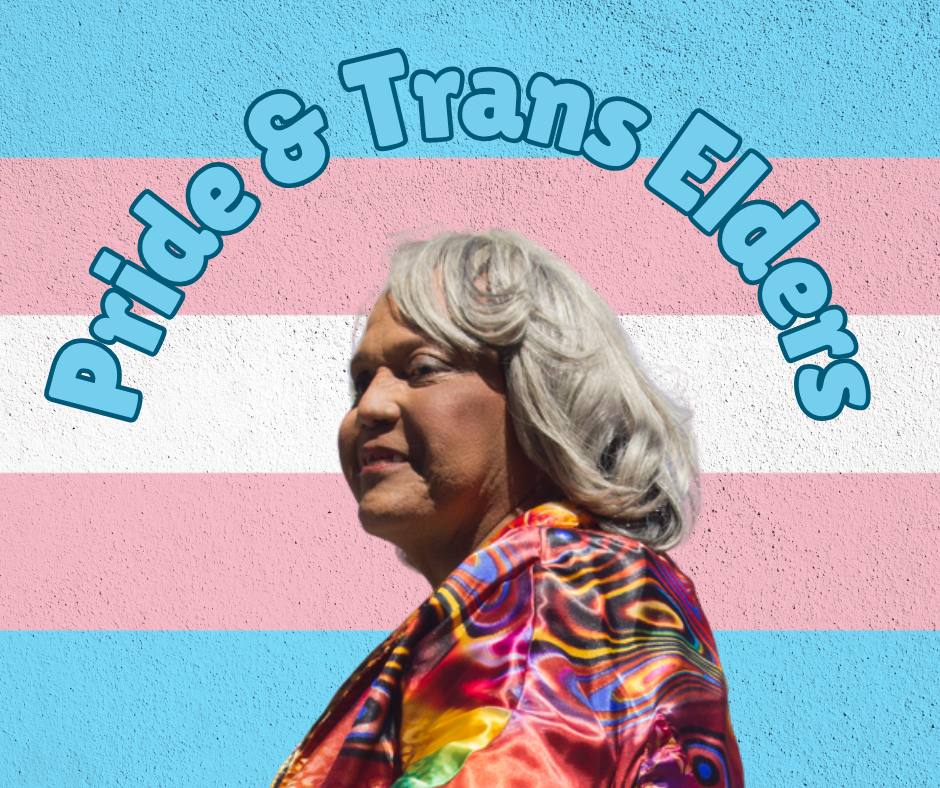
Pride did not appear from nowhere. Long before some of us arrived, other people were already risking their safety, their relationships, their work, and sometimes their lives to make room for a future they might not fully get to enjoy.
Many of the trans people who helped build the communities we celebrate today are elders now. They lived through years when visibility carried a much higher cost. They survived rejection, violence, criminalization, poverty, and institutions that treated them as problems rather than people. Some fought simply to be recognized as fully human. Others built organizations, cared for one another through crisis, or created spaces where younger generations could find belonging.
I know that queer communities have inherited more from these elders than we fully appreciate. We know some of the stories. We celebrate some of the milestones. Yet it is possible to honour a legacy without caring for the people who carry it. It is possible to speak gratefully about the past while overlooking the needs of those still living in the present.
If Pride teaches us anything about chosen family, it should teach us that kinship is not nostalgia. It is care. It is solidarity. It is showing up for the people who showed up before us. It is asking what our elders need now, not simply what they achieved then. The question is not whether we remember them. The question is whether our gratitude has become practical enough to be called love.