
The B Is Not Silent
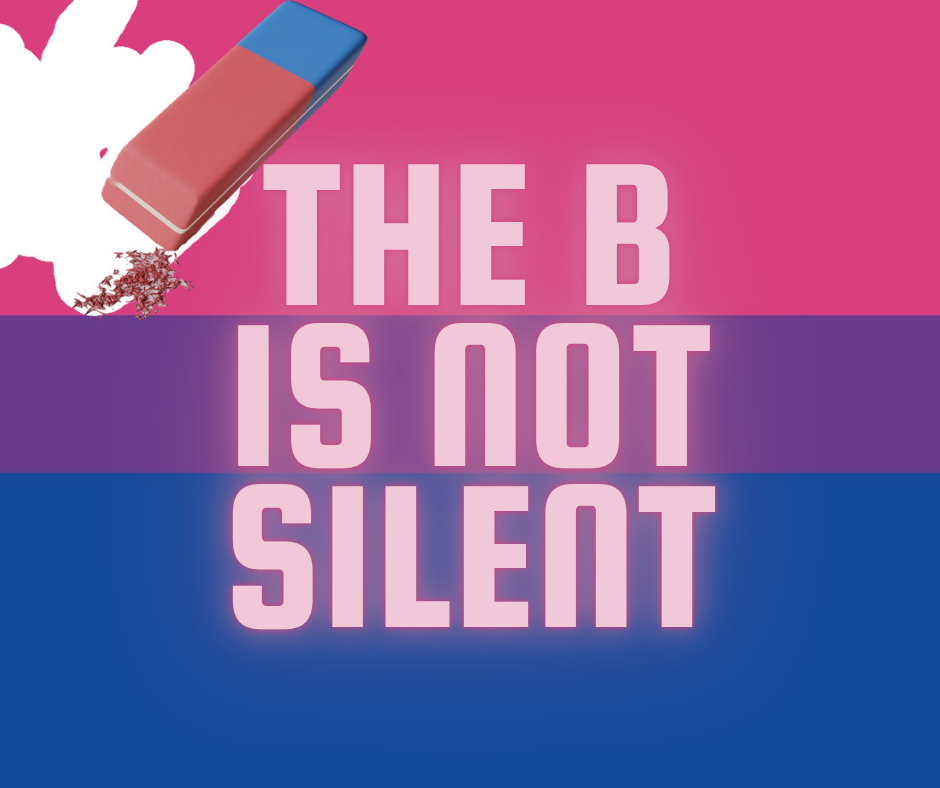
For many people, Pride is a celebration of being seen. For many bisexual people, it can also be a reminder of how easily we disappear. I have attended Pride with my wife and children and felt both deeply at home and strangely invisible. People see a married man with a woman and make assumptions. Some assume I am straight. Others assume that because I am in a different-sex relationship, my place in the queer community is somehow less legitimate. It is a peculiar experience to stand in a space created to celebrate who you are while feeling unseen by some of the very people around you.
That is the nature of bisexual erasure. Straight communities often assume that bisexual people will eventually choose a side. Queer communities sometimes make a similar assumption. A bisexual person dating someone of the same gender is often treated as gay or lesbian. A bisexual person dating someone of a different gender is often treated as straight. In both cases, the bisexuality itself disappears. The message may be subtle, but it is persistent: who you are matters less than who you are with.
The cost of that erasure is not merely frustration. Bisexual people experience higher rates of anxiety, depression, and suicidality than both heterosexual and gay or lesbian populations. There are many reasons for this, but invisibility plays a significant role. Being tolerated is not the same thing as being believed. Being included is not the same thing as being understood. When people repeatedly question, dismiss, or reinterpret your identity, it leaves a mark.
This is why bisexual inclusion requires more than adding a letter to an acronym or a flag to a display. It requires taking bisexual people at their word. It requires resisting the urge to sort people into categories rather than listening to the reality they are describing. It requires making room for identities that do not fit neatly into the boxes many of us have inherited.
Pride has always been about more than visibility. It has been about belonging. For many bisexual people, that belonging remains frustratingly conditional. We are welcomed so long as others can make sense of us. We are celebrated so long as we do not complicate familiar categories. Real belonging begins when we no longer have to explain why we are here.