
Who Gets to Tell Their Truth?
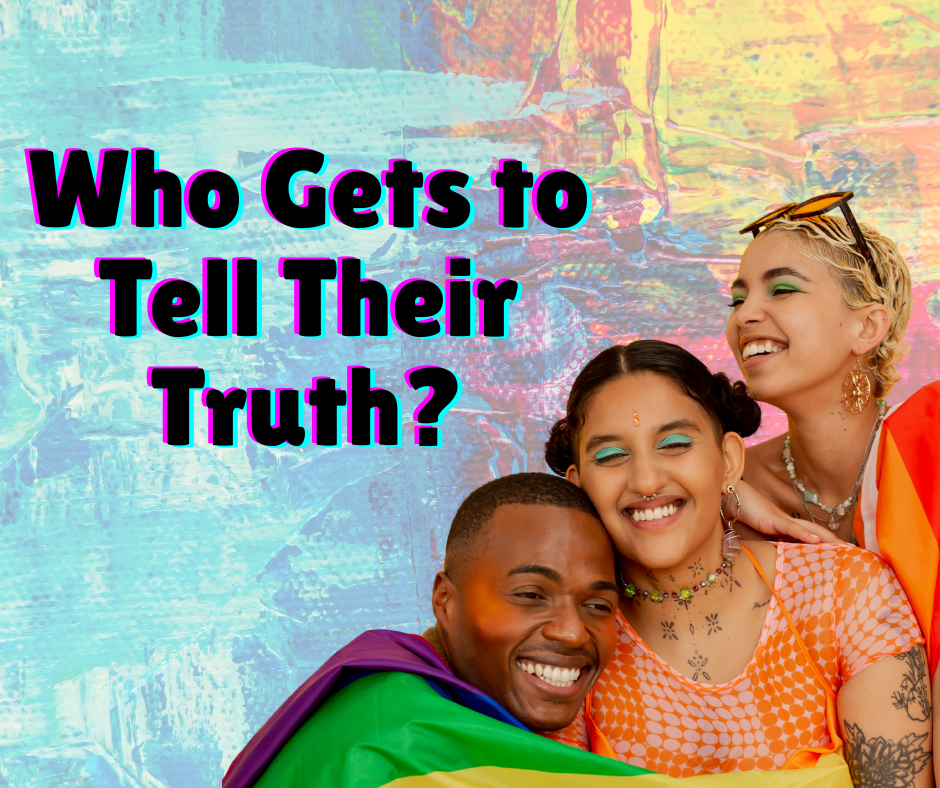
One of the things I remember most clearly about being young is how often adults assumed they understood my life better than I did. Sometimes they were right. There are things I can see now that I could not see then. But when it came to the deepest questions about who I was, what I was experiencing, and what was happening inside me, I usually knew far more than the adults who were trying to explain me to myself.
That memory comes back to me whenever I hear conversations about queer and trans young people. Adults spend a great deal of time talking about them. We debate schools, families, faith, healthcare, and public policy. Much of that concern comes from a genuine desire to help. Yet I sometimes wonder how often young people experience those conversations as adults trying to understand them and how often they experience them as adults trying to define them.
Over the years, I have had the privilege of knowing many queer and trans young people. What stays with me is not a single lesson or message. It is the reminder that every story is different. Some young people are looking for guidance. Some are looking for acceptance. Some are trying to make sense of things themselves. Some know exactly what they need and are exhausted from having to explain it. The common thread is that they are people, not categories, and they deserve to be treated that way.
If there is one thing I wish more adults understood, it is that listening is not the same thing as waiting for your turn to speak. Young people need guidance, support, and wisdom. They also need room to tell the truth about their own lives. The question is not whether adults have something to teach. Of course they do. The question is whether we are humble enough to recognize that we still have something to learn. That is true whether we are listening to queer and trans young people or to the elders whose lives helped make today’s conversations possible.